
Products

 Products Overview
Newsela products are purpose-built to unlock student motivation, inspire teachers, and drive long-lasting learning outcomes.









Resources
About
Products OverviewNewsela products are purpose-built to unlock student motivation, inspire teachers, and drive long-lasting learning outcomes.

‘Twas the first day of April when all through the halls, teachers read rhymes that bounced off the walls. They introduced their students to National Poetry Month activities and cheered at how easy it was to plan the festivities.
The students were eager, sitting up at their desks while teachers shared curated articles, videos, and text sets. The lessons were perfect, and the students engaged. Your class can be, too. Just try it today!
Jump to:
Key takeaways:
When you kick off National Poetry Month, start with the people behind the poems. Students engage more when they know who wrote the words and why. You don’t need a full biography lesson, but enough background information to get students to understand why the poets wrote what they wrote.
Start with voices that shaped literature and culture. This will give students intros to names they’ll recognize later in other classes, college, or pop culture. Introduce poets and lyricists like:
Use short bios, interviews, and paired poems so students see both their lives and their craft.
%20cousins.avif)
Students love a question that can feel personal. Asking, “Did you know Taylor Swift and Emily Dickinson are distant cousins?” opens the door for a real discussion. Both women became popular for their rhymes, so is talent inherited? Or did their circumstances matter more?
To answer this question, have students complete the following lesson:
Students may answer this question through a writing activity, debate, or another creative presentation.
Students connect to poetry more quickly when it feels relatable and purposeful. When they see that poets respond to real issues, the writing feels more relevant. This is where poetry becomes an authentic voice, not just a verse on a page.
Have students explore topics like:
These topics can lead to stronger discussions, deeper analysis, and more thoughtful writing responses.
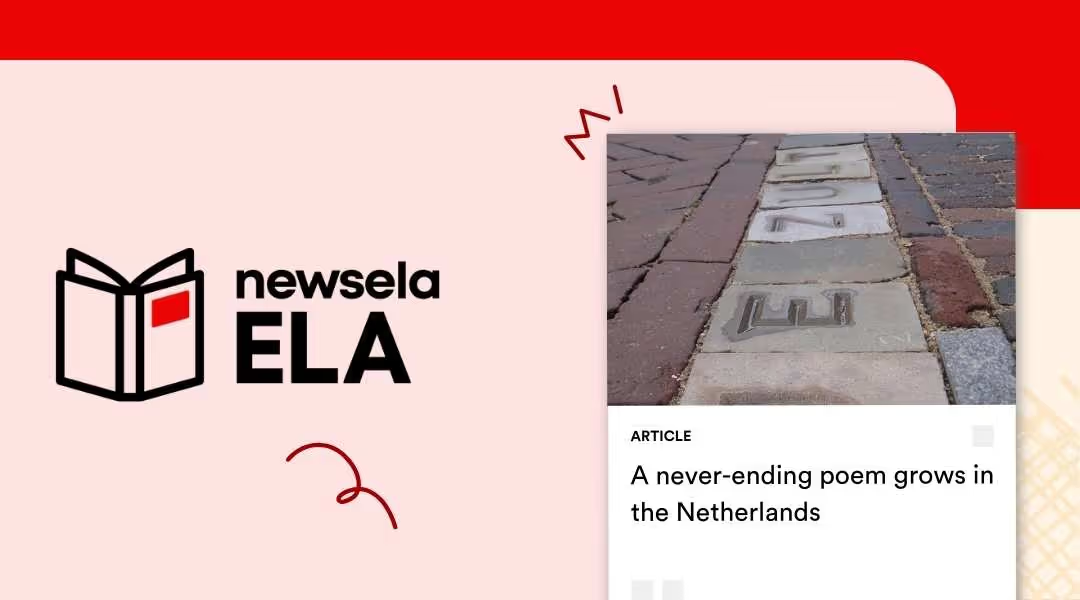
Poetry doesn’t just live in textbooks or library books. When students see it in the real world, the topic feels more current and creative than academic. Show them how poets share their work in public spaces with examples like:
Students can analyze structure and theme, but poems will mean more when they understand who the poet is off the page. Identity shapes their voice, and experiences shape their perspectives. Have students explore how:
Key takeaways:
National Poetry Month is the perfect time to expand students' ideas about what poetry is. It’s not just a rhyme or work from one era. When you vary form and style, students start to notice patterns on their own, which makes later analysis go more smoothly.

Students may assume all poems follow the same pattern. This month is a great chance to show them how different structure shapes meaning.
Explore the different types and forms of poetry with selections from classic and contemporary poets, like:
Poetry is one of the easiest ways to teach literary devices because the craft is concentrated. Students can see the technique working right in front of them. Instead of isolating terms on a worksheet, let students find the device inside a real poem.
Teach the language that makes poetry creative and unique with selections that feature literary devices like:

Sometimes you just need something ready to go that doesn’t require you to reinvent the wheel. “Teach This Poem” lessons from poets.org give you structure while building analysis, reflection, and discussion. And the best part? You don’t have to start from scratch.
Try classroom-ready lessons like:
National Poetry Month is a great time to incorporate a variety of voices into your lessons. When students read poems rooted in lived experience, analysis becomes more thoughtful. Varied selections also invite conversations about identity, resilience, and voice.
Invite students to analyze poems from Black women, like:
Some students think poetry means short works that are hard to understand. Novels in verse can change that perspective. These longer works maintain a poetic structure but feel more like stories. That makes them accessible, especially for reluctant readers.
Introduce students to narrative poetry and novels in verse with these novel study selections:
Some students need to hear poetry before they fully get it. Tone, pacing, and emphasis matter. When students listen to poets (or a very dedicated voice actor) read their own work, the meaning often clicks faster than with silent reading.
Let students experience poems through video selections, like:
Also, keep an eye out for content featuring “The Learning League.” With new videos dropping for grades K-2, they may have some poetry tricks up their sleeves to keep your youngest students engaged. Haven’t met these new friends yet? Get to know them today!
Key takeaways:
National Poetry Month shouldn’t just be about reading poems. When students try writing their own, they start to understand how much craft goes into each line.
You don’t need weeks. A few focused writing experiences can make a difference.

Students, especially in younger grades, may assume poetry just means rhyming. You can show them how much intention actually goes into every word.
Poets experiment with tone, structure, and sound. They choose their forms carefully and stretch language on purpose. To learn more about the poet’s craft, students can:
Haiku works well as a poetry writing assignment because the structure is clear. Students know exactly what they’re aiming for, and that lowers the pressure.
Guide students through the process by:
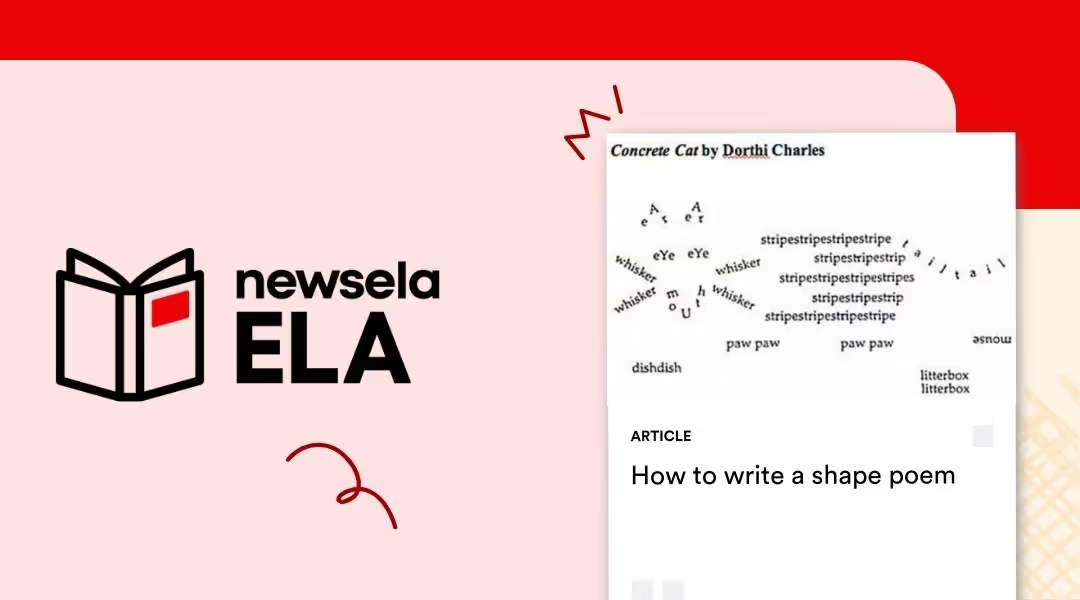
Concrete or shape poems give students a visual goal. The poem takes the shape of the object it describes. That makes the writing feel creative and hands-on. Plus, this type of writing is especially helpful for visual learners.
Guide students through the process by:
Not every student loves creative writing, and that’s okay! You can still build writing skills through research. A poetry research project gives students structure while keeping the focus on analysis and exploration. Offer research topics like:
Take your students' excitement for poetry writing and competition and fuel your latest writing unit using Newsela ELA’s Profound and Passionate Poets writing contest.
Students will write about a topic of their choosing and include figurative language and imagery in their poem, along with any other poetic devices that serve their purpose. To guide their writing, you can share five lessons that span topics like:
To get ideas, check out the semi-finalist and winning submissions from last year’s contest:
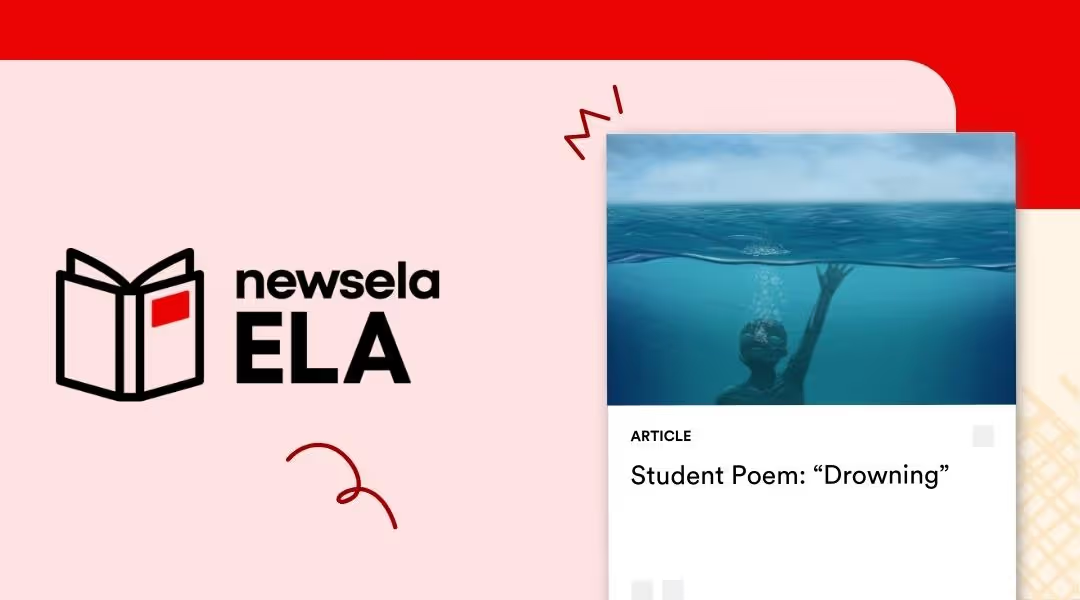
Submit entries through email at creativewriting.contest@newsela.com. The subject of the email should include:
The body of the email should include:
Due to the volume of entries received for each contest, we can only accept and consider entries that follow these guidelines. Entries missing key elements will be disqualified.
Submission deadlines will be updated later this March. Keep checking the contest text set for more information.
A select number of top entries will be published on the Newsela ELA platform. Then, our readers will vote on the winners.
Winners may also have their poems featured on Newsela’s social media accounts and appear in our Weekly Planner Email newsletter that goes to all Newsela teachers each Sunday.
Stay tuned for additional information about winner prizes and celebrations.
Key takeaways:
Poetry is packed with themes. Because poems can be shorter than other texts, students can reread them quickly and dig deeper. National Poetry Month is a good time to slow down and look at what poems are saying beneath the surface.

Poetry often surfaces in moments of change. It gives people the language they need when they need it most. Help students see that poetry isn’t just personal, but can influence culture and conversation. Guide students as they:
Nature gives poets a reason to talk about imagery, symbolism, and change. It’s concrete enough for students to picture, but layered enough for analysis.
When students read nature poems, they can practice interpretation without getting lost in the plot. Help students explore this theme by:
These types of lessons and poems make it easier for students to connect imagery to deeper meaning.
Key takeaways:
Poetry reflects the time and place when it was written. National Poetry Month is the perfect time to connect literature and history without creating extra work for yourself. You can get into your Tortured Poets era with lessons that combine verse with background on historical periods.

The 1920s produced more than just one movement. Writers across the country were experimenting with voice, identity, and form during this time. When students see the range of work from this decade, they can connect literature to larger cultural shifts. Explore resources like:
The Harlem Renaissance marked a surge of artistic expression in the 1920s. Poetry played a major role in it all.
Build background knowledge of the time so students understand why this era mattered before they read works from some of its most famous poets. Explore topics like how:
Poetry lessons don’t have to stay in April. Once students start noticing voice, structure, and theme, you can build on that at any time.
With Newsela ELA, you can access these poetry resources all year long. Articles, paired texts, interactive videos, and ready-to-use activities make it easier to keep poetry as part of your year-round instruction without extra prep.
Not a Newsela ELA customer yet? Sign up for an account to start your free 45-day trial and get a taste of Newsela’s premium differentiated content, engaging formative assessments, and real-time data.


Read our original Read Across America Day Poem about students who think they don’t need to read.

Find novel and nonfiction book selections to share with students of all grade bands for Read Across America Day and beyond.

Celebrate March Into Reading with cross-subject texts, skill-building lessons, and trusted Newsela resources designed for teachers at every grade level.


.jpg)
.jpg)